
Rent-Ready Isn’t Cosmetic: What Your Rental Needs Before It Hits the Market
BLOG 2 OF 4 | Why Your Property Should Be Rent-Ready
Clean. Safe. Functional. Maintained. Professionally presented. That’s Rent-Ready.
In Blog 1, we started with the WHY: owners who want Top-of-Market Rent have to give prospective tenants a home that can compete for it.
Now comes the next question:
What does Rent-Ready actually mean?
This is where the conversation can get muddy, because Rent-Ready is sometimes confused with renovated, updated or luxury. It doesn’t mean any of those things.
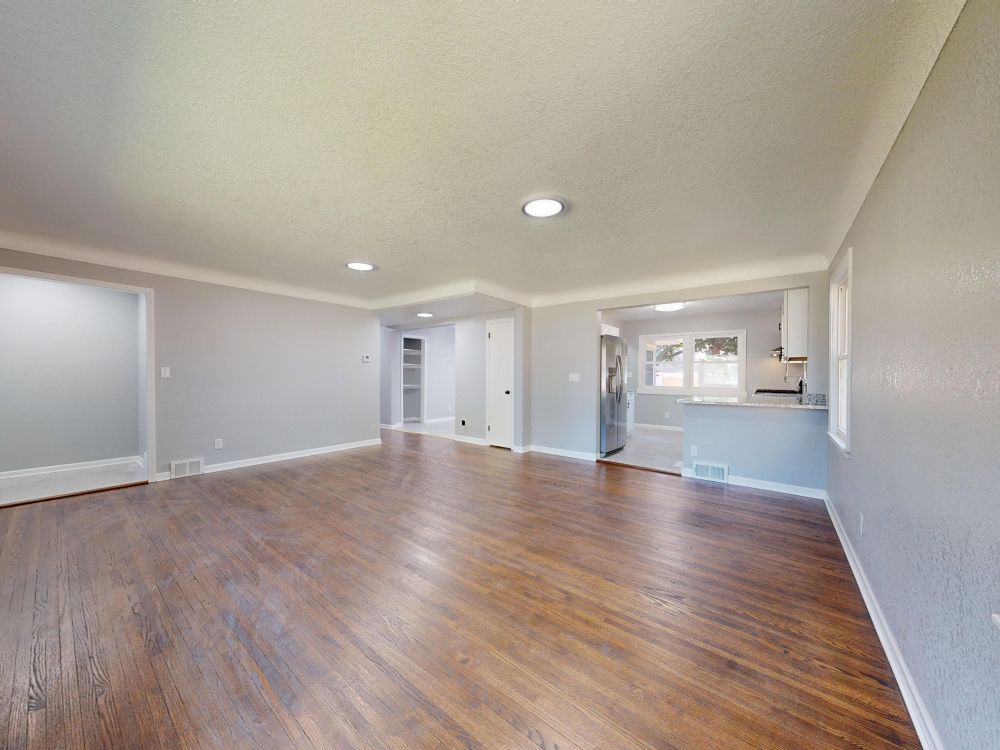
A home can be older. It can have basic finishes. It can have a kitchen that hasn’t appeared on HGTV in this century. And it can still be an excellent rental property.
Rent-Ready is not about making the property fancy. It is about making sure the home is truly ready for someone to move into - and ready to compete before the first prospective tenant ever walks through the door.
Habitable and Rent-Ready Are Not the Same Thing
A property can technically be livable and still not be ready to market.
The air conditioning may work. The plumbing may work. The doors may lock. But prospective tenants notice much more than whether the basic systems function.
They notice dirty baseboards. Scuffed walls. Stained flooring. Burned-out bulbs. Broken blinds. A dripping faucet. An oven that hasn’t been cleaned. A yard that looks forgotten. They notice the little repair that was supposed to be handled “later.”
None of those things necessarily makes a house luxurious when corrected. Together, however, they tell a prospective tenant something about how the property has been cared for.
That is why property condition matters in a competitive rental market. Renters are comparing homes, not evaluating yours in a vacuum.
Start With Safe and Functional
Before we talk about appearance, the property needs to work.
Major systems and basic components should be operating properly. Plumbing leaks, electrical issues, HVAC problems, damaged locks, broken fixtures, nonfunctioning appliances and other legitimate repairs should be addressed before a tenant moves in.
HUD’s housing-counselor training materials describe typical landlord responsibilities as including safe locks and windows, properly functioning plumbing and heating systems, necessary repairs to major systems and appliances, and ensuring the home is in good condition when a new tenant moves in. That is the baseline - not the finish line.
The goal is not to predict every repair that could happen during a lease. Homes have moving parts, and things will eventually break.
The goal is to avoid knowingly handing a new tenant a list of problems on Day One.
A new lease should begin with the property in good working order - not with a tenant immediately submitting maintenance requests for issues that were already there.
Then Look at the Property Through a Tenant’s Eyes
Once the home is safe and functional, presentation matters.
This is where an owner needs to stop looking at the house as the person who owns it and walk through it as the person being asked to pay rent for it.
Would you want to move your furniture into it today?
Would the kitchen and bathrooms feel clean?
Would you be comfortable opening the cabinets?
Would the flooring, walls and fixtures make the home feel cared for?
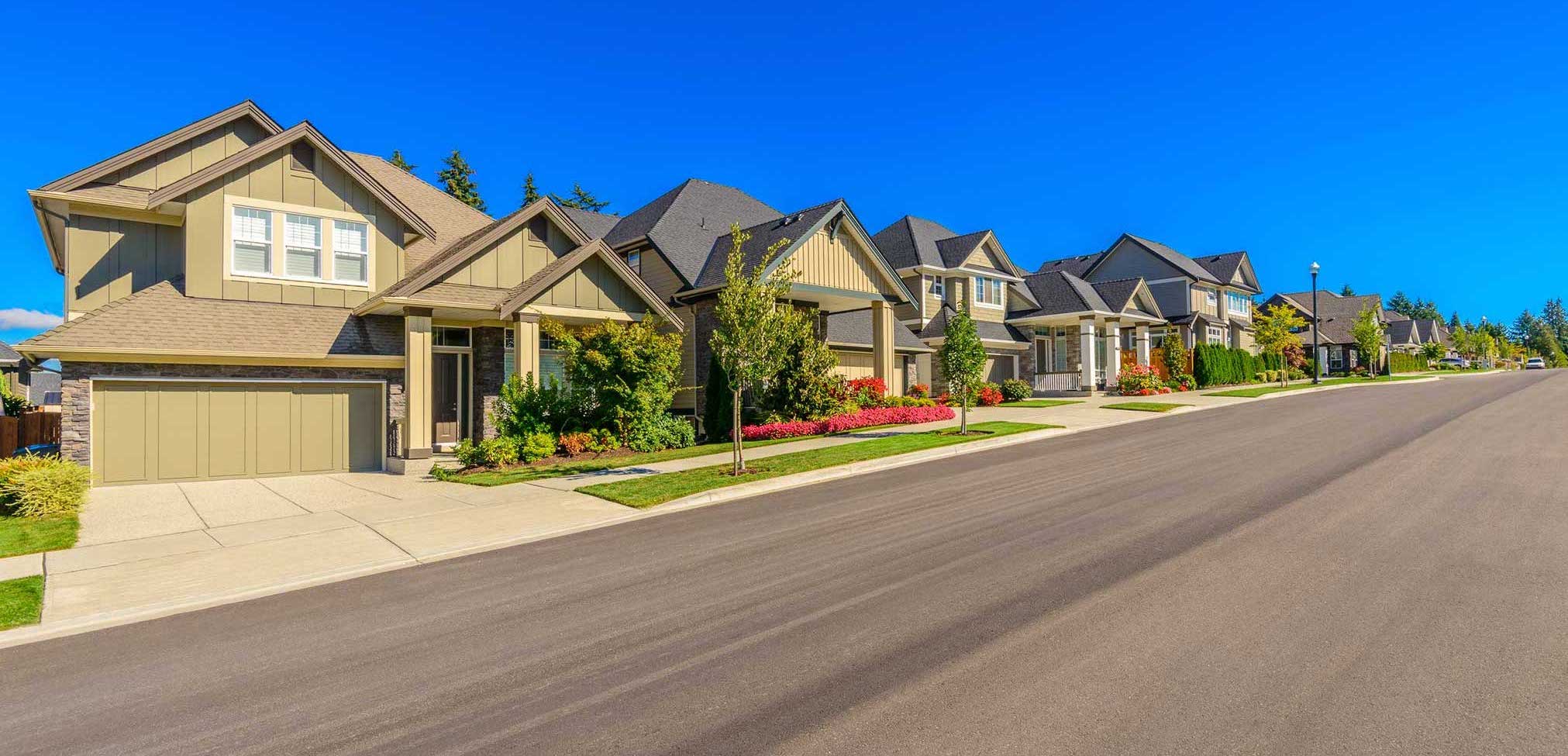
Would the exterior make you want to get out of the car - or keep driving?
That doesn’t mean replacing everything that is dated. There is a huge difference between dated and neglected.
A basic older vanity can be spotless and functional. Older cabinets can be clean and in good repair. A simple light fixture can work perfectly well.
Rent-Ready is about condition, not trendiness.
Clean Means CLEAN
This deserves its own section because owners and prospective tenants sometimes have very different definitions of clean.
A quick vacuum and wiping down the counters is not a Rent-Ready cleaning.
Kitchens and bathrooms deserve particular attention. Appliances, sinks, tubs, showers, toilets, cabinets, countertops and floors should be thoroughly cleaned. Dust, cobwebs, odors and leftover belongings from the previous occupant should be gone.
Windows and blinds should be presentable. Closets should be empty. The garage and storage areas should not become the place where unwanted items were left behind.
A clean property does something important: it allows the prospective tenant to picture their belongings in the home instead of noticing what the previous occupant left behind.
Finish the Small Things Before the Photos
Small unfinished items have a way of becoming very large in listing photographs.
A missing outlet cover. A crooked blind. A patch on the wall that was never painted. A dead light bulb that makes a room look dark. An overgrown shrub covering the front window.
Individually, these may be inexpensive or easy to correct. But online, they can make the entire property feel less cared for.
And remember: many prospective tenants will decide whether to schedule a showing based on the photographs alone.
Reed has been saying for years that a property should be Rent-Ready before marketing begins. That principle matters even more in a world where the first showing often happens on a phone screen.
Rent-Ready Also Creates a Clean Starting Point
There is another reason to start the lease with the property properly prepared: documentation.
When a home begins in good condition and that condition is documented, everyone has a clearer starting point.
The owner knows what was repaired and prepared. The property manager has a record of condition. The tenant receives a home that is ready for occupancy.
That becomes important later when normal wear and tear, maintenance needs or possible tenant damage have to be evaluated.
A strong tenancy starts before the lease is signed.
Where Should an Owner Spend - and Where Should They Stop?
This is where professional judgment matters.
Not every older feature needs to be replaced. Not every cosmetic improvement will produce higher rent. And spending $10,000 on upgrades does not automatically create $10,000 in additional rental value.
The question is not:
“How much can we spend?”
The better question is:
“What does this property need to be safe, functional, competitive and properly presented at its expected rental price?”
That same judgment applies to ongoing ownership. Reed’s recent discussion of preventive maintenance for Memphis rental properties makes the point that not every imperfection requires immediate spending, but delaying the wrong repair can turn a manageable issue into a much larger expense.
Sometimes the answer is repair. Sometimes it is replace. Sometimes it is clean it, touch it up and leave it alone.
Rent-Ready is not about spending without purpose. It is about spending where condition affects the property, the tenant experience and the property’s ability to compete.
The Rent-Ready Test
Before a property goes live, ask one simple question:
If I were comparing this home with several others at the same rent, would this one feel worth the money?
If the answer is yes, you are much closer to Rent-Ready.
If the answer includes “except for…” followed by a list of unfinished repairs, cleaning or condition issues, the property probably isn’t ready yet.
The Bottom Line
Rent-Ready does not mean perfect.
It does not mean luxury.
And it does not mean renovating a perfectly functional rental every time a tenant moves out.
It means presenting a home that is clean, safe, functional, maintained and ready for someone to make it their home.
That preparation happens before the listing photos. Before the showings. Before the applications.
Because once the property hits the market, the market starts judging it.
Coming Next - Blog 3 of 4
The Rent-Ready Domino Effect: What Happens When You List Before You’re Ready
We’ll follow what happens when an owner skips the preparation and lists anyway - from weaker photos and fewer showings to longer vacancy, price reductions and pressure to make decisions nobody wanted to make.
Reed & Associates Property Management
High Tech + Human Touch
Memphis ♦ Shelby ♦ Tipton ♦ Fayette ♦ North Mississippi