

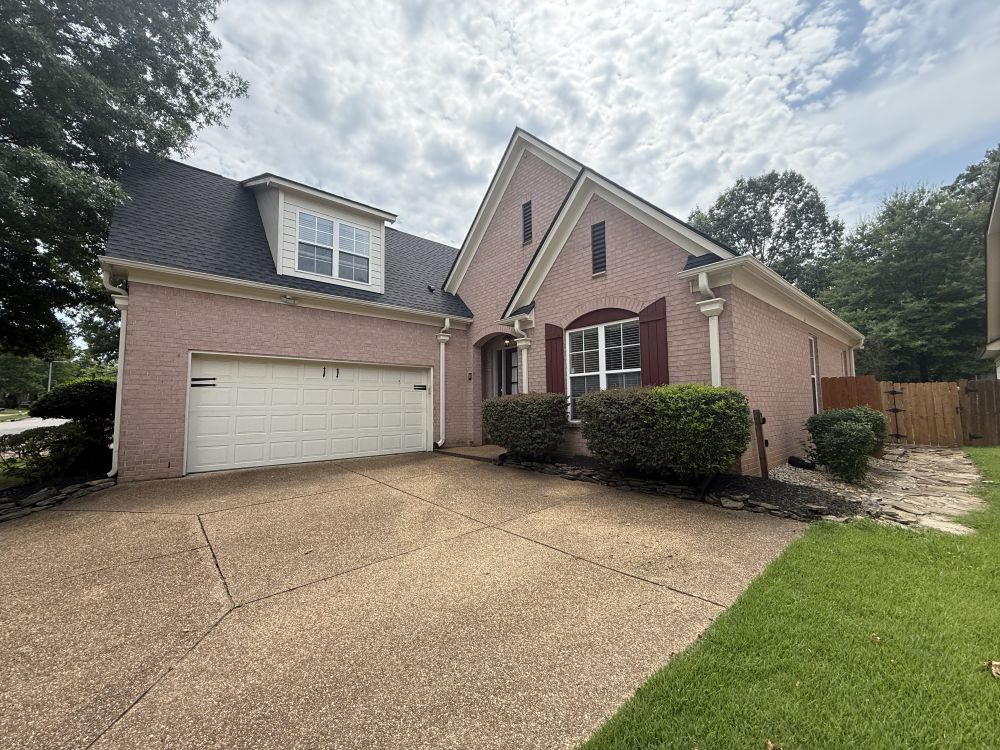
BLOG 3 OF 4 | Why Your Property Should Be Rent-Ready
One unfinished repair rarely stays one unfinished repair. In a rental listing, it can start a chain reaction.
By the time an owner decides to rent a property, there is often one overriding goal: get it on the market.
Every vacant day feels expensive, so the temptation is understandable. Take the photos. Put up the listing. Start the showings. We can finish the rest while we wait for a tenant.
That is exactly where the Rent-Ready Domino Effect can begin.
In my conversations with owners and while walking properties, I see how easy it is to focus on the few days it may take to finish preparing a home instead of what can happen during the weeks that follow when we don’t.
A rushed start can affect the photographs. The photographs affect interest. Interest affects showings. Showings affect applications. And when a property sits, the pressure to reduce the rent or make a rushed leasing decision starts building.
The goal isn’t simply to get a property listed. The goal is to get it leased well.
Domino #1: The Property Goes Live Before It Is Ready
Maybe the walls still need touch-up paint. Maybe the yard needs work. Maybe several light fixtures need replacing. Maybe there are boxes in the garage, a stained bedroom carpet, broken blinds or a handful of repairs that everyone intends to finish next week.
The thinking is usually: “Let’s go ahead and get some exposure.”
But once the listing is live, the market does not see the owner’s to-do list.
It sees the property exactly as it is.
Reed has long recommended getting a property Rent-Ready before marketing begins for precisely this reason. Marketing an unfinished property means the unfinished version becomes the product prospective tenants judge.
Domino #2: Weak Condition Creates Weak Photos
Online photographs are often the first showing.
Before someone schedules an appointment, uploads identification or drives across town, they are scrolling through listings on a phone or computer.
A dark room, stained flooring, unfinished paint, clutter, poor curb appeal or a visibly broken item may seem minor to the owner who knows it will be corrected.
The renter doesn’t know that.
They simply compare the photograph with the next property.
Even Google’s guidance for images emphasizes using high-quality images near relevant content and providing descriptive context. Images matter because they help people understand what they are looking at before they ever take another action.
You can fix the property later. You cannot make a prospective tenant unsee the first photos.
Domino #3: Fewer People Decide to See It
Not every person who skips a listing tells us why.
There is no email that says, “I chose the other house because your kitchen looked tired.”
They simply don’t inquire.
Or they look at the listing and never schedule the showing.
This is one reason owners can become frustrated when a home appears to be receiving online exposure but that exposure is not turning into meaningful activity.
In a competitive rental market, renters have choices. Location, condition and price work together. If two properties are similarly priced and one presents better, the better-presented home has an immediate advantage.
Domino #4: The Property Starts Aging on the Market
Then the calendar starts working against us.
A few days become a couple of weeks. A couple of weeks become a month.
Now the owner is asking the question nobody wanted to ask:
“Why isn’t it renting?”
Sometimes the answer is price. Sometimes it is market demand. Sometimes it is location.
And sometimes we created part of the problem ourselves by introducing the property before it was ready to compete.
The frustrating part is that the repairs may have been completed by then. The home may look considerably better in person.
But the listing has already lost its new-to-market moment, and the original photos or first impressions may have already cost us prospective tenants.
Domino #5: Pressure Builds to Reduce the Rent
Once vacancy stretches out, the conversation often shifts from condition to price.
Should we reduce the rent $50? $100? More?
A price adjustment may absolutely be appropriate when the market tells us the asking rent is too high. We have to listen to the market.
But lowering the rent because we failed to properly prepare the property is a very different problem.
Consider the math. A $100 monthly reduction over a 12-month lease is $1,200.
That can be considerably more than the cost of fixing the small Rent-Ready items we skipped at the beginning.
And that is before counting the rent lost during additional vacant days.
Domino #6: The Owner Starts Feeling Pressure to Say Yes
This is the domino that concerns me most.
The longer a property sits, the more tempting it becomes to focus on getting someone—anyone—into the home.
That is when owners can begin questioning screening standards or wanting to make an exception because another month of vacancy feels unbearable.
Vacancy should never pressure us into lowering the standards designed to protect the property.
A qualified tenant does not become more qualified because a house has been vacant for 45 days.
The better strategy is to start with the strongest product we reasonably can, price it appropriately for the market and maintain consistent screening standards.
Domino #7: Deferred Items Follow Us Into the Lease
There is one more problem with “we’ll finish it later.”
Later often means after the tenant moves in.
Now a repair that could have been handled easily in an empty house requires scheduling around a tenant, coordinating access and potentially disrupting someone who just moved into the property.
That is one reason preventive maintenance and timely repairs matter. Small issues are generally easier to address before they become larger, more expensive or more disruptive.
Starting a lease with a list of known unfinished items also sets the wrong tone.
We want the tenant to take care of the property. The owner should demonstrate from Day One that the property is worth taking care of.
A Few Extra Days Can Be Cheaper Than a Bad Start
Owners understandably hate vacancy. So do we.
But there is a difference between unnecessary delay and taking the time required to put the property on the market correctly.
If the home needs three more days for cleaning, paint touch-ups, yard work and final repairs, those three days may feel expensive.
But compare them with three additional weeks on the market, a $100 monthly rent reduction or a rushed decision on an applicant.
Fast is not always the same thing as profitable.
The objective is not to delay marketing. It is to make sure the property is ready when marketing begins.
Stop the Dominoes Before the First One Falls
The Rent-Ready Domino Effect is preventable.
Finish the work.
Clean the property.
Walk it one more time.
Look at it through a renter’s eyes.
Then take the photographs and launch the listing.
Prepare first. Market second.
It is a simple order of operations, but it can influence everything that follows.
The Bottom Line
An unfinished property does not just create an unfinished first impression.
It can affect the photos, inquiries, showings, days on market, pricing conversations and eventually the decisions an owner feels pressured to make.
No Rent-Ready process can guarantee a property will lease immediately. Market conditions still matter.
But we should never make a challenging market harder by sending an unprepared property into it.
Give the home its strongest reasonable start. Then let the market tell us what comes next.
Coming Next — Blog 4 of 4
Spend It Now or Pay for It Later: The Real Cost of Skipping Rent-Ready
In the final article in our Rent-Ready series, we’ll put dollars around the decision and look at how vacancy, reduced rent, deferred repairs and turnover can make “saving money” at the beginning surprisingly expensive.
Reed & Associates Property Management
High Tech + Human Touch
Memphis ♦ Shelby ♦ Tipton ♦ Fayette ♦ North Mississippi